Most visitors leave your site without ever talking to you. Here's how to change that.
A 7 Minute read
Here's a number that should bother you.
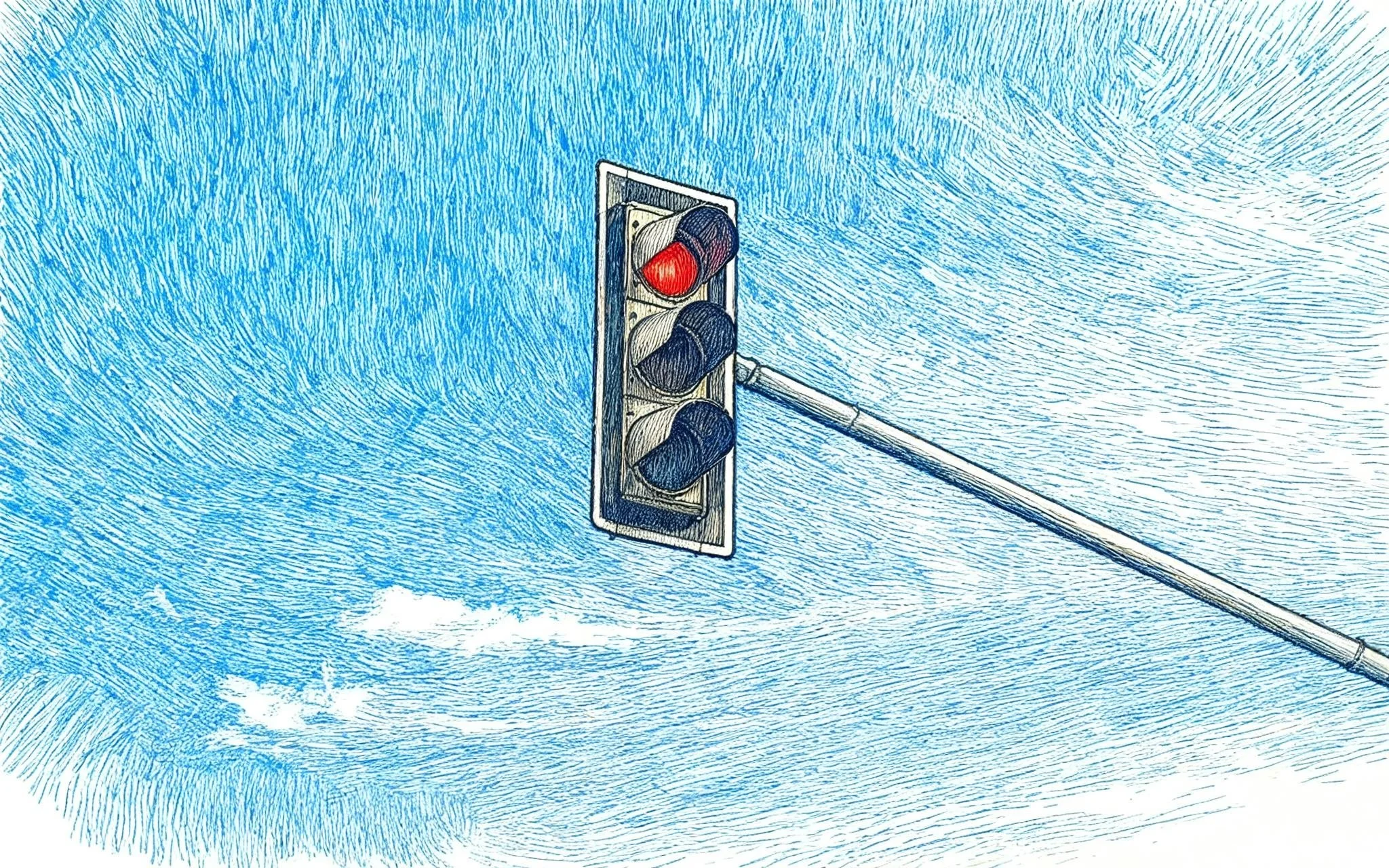
98% of your website visitors leave without taking any action.
No form filled. No chat started. No call booked.
They showed up, looked around, and left. And you have no idea who they were or what they needed.
This isn't a traffic problem. It's a conversion problem. And it's costing you deals you didn't even know were in play.
“Your website is your best sales rep. Most of the time, it's just standing there saying nothing.”
Stop making people hunt for a reason to talk to you
Most websites bury contact options. The "Book a Call" button is tucked in the footer. The chat widget is tiny. The form is five fields long.
Friction kills conversations. Every extra click is a reason someone talks themselves out of reaching out.
98% leave without converting
78% Buy from the first responder
Fix it by doing this:
Put your primary CTA above the fold, every page, not just the homepage
Use direct language: "Let's talk"converts better than"Get in touch"
Offer multiple conversation entry points: chat, calendar link, email, because different people prefer different channels
Cut your contact form to a max of 3 fields. Name. Email. One context question. That's it.
The easier you make it to start a conversation, the more conversations you'll have. Simple as that.
1. Identify who's actually on your site
You don't need everyone to fill out a form to know who's visiting.
Tools like Clearbit Reveal, Leadfeeder, and Propria can de-anonymise a chunk of your traffic, showing you which companies are poking around your site, what pages they visited, and how long they stayed.
What you can do with this data:
Trigger a personalised outreach to the right person at that company within 24 hours
Feed high-intent visitors directly into your CRM and prioritise follow-up
Spot patterns: if the same company keeps visiting your pricing page, that's a buying signal
Alert your sales team in real time so they can reach out while interest is still hot
This is especially powerful for B2B. You don't need every visitor's name. You need to know which companies are in your buying window and act fast.
2. Give people a reason to identify themselves
The number one reason visitors stay anonymous? You haven't given them a compelling enough reason to tell you who they are.
Generic lead magnets don't cut it anymore. "Download our free guide" is everywhere. Nobody cares.
Offers that actually get people to raise their hand:
A free audit or review of their current situation (specific to what you do)
A personalised report or benchmark, something they can only get by telling you about their business
A short, no-pitch strategy call that leads with value
A calculator or tool that requires an email to show them their results
A mini-course or email sequence that solves a specific, urgent problem
The more specific and useful the offer, the higher the conversion. Stop trying to appeal to everyone and start speaking directly to the exact person you want to work with.
3. Use exit intent to catch people before they go
Most visitors leave because they get distracted, run out of time, or just aren't ready yet.
That's not a no. That's not yet.
Exit-intent pop-ups, triggered when someone moves their cursor toward the browser bar, are among the most underused tools for capturing leads.
What works in an exit-intent offer:
A direct, useful offer (not a discount unless that's relevant to your business)
One clear ask, email address, nothing more
Copy that acknowledges the moment: "Before you go — here's something that might help"
A follow-up sequence that nurtures, not just sells
Done right, exit intent recovers 10–15% of otherwise lost visitors. That's not a small number.
4. Retarget people who showed real intent
Not everyone who visits your site is ready to buy. But the ones who visited your pricing page, watched your demo video, or spent more than three minutes reading your case studies? They're interested.
Retargeting lets you stay in front of these high-intent visitors after they leave — on LinkedIn, Google, Meta, wherever they spend time.
Smart retargeting looks like this:
Segment by page visited. Pricing page visitors get different ads than blog readers
Lead with social proof, testimonials, and case studies work better than features at this stage
Create urgency without being pushy. Limited availability, upcoming deadlines, or a time-sensitive offer
Use sequential ads that tell a story over days, not the same ad on repeat
Retargeting doesn't create demand. It captures demand that already exists. Use it to reach people who already showed interest but just weren't ready to act.
5. Speed up your follow-up
Here's one of the most damaging mistakes I see businesses make.
Someone fills out a form or starts a chat. And then... silence for 24 hours.
That lead is gone.
Research shows that 78% of buyers go with the first vendor to respond. Not the best one. Not the cheapest one. The first one. Speed is a competitive advantage.
How to fix your follow-up speed:
Automate the first response, even a simple "Got your message, someone will be in touch within the hour" sets the tone
Set a hard internal rule: respond to inbound leads within 30 minutes during business hours
Use a CRM that alerts your team the moment a lead comes in
For high-value leads, pick up the phone. A call beats an email every time.
The bottom line
Your website traffic isn't the problem. The problem is that most of those visitors come and go without ever having a reason to talk to you.
You fix that by:
Removing friction from your contact and conversation options
Using behaviour-triggered chat to start relevant conversations
Identifying anonymous visitors with intent data tools
Offering something so specific and useful that the right people identify themselves
Catching would-be leavers with exit intent offers
Retargeting high-intent visitors who weren't ready the first time
Following up faster than anyone else in your space
None of this is complicated. Most of it just requires you to actually do it.
Start with one thing. Pick the one that's furthest from where you are right now. Fix that first.
The best time to stop losing visitors was when you first launched. The second-best time is today.